Send Submissions To: inquiries@fourthavenew.com

What If African artists Considered Touring Africa?

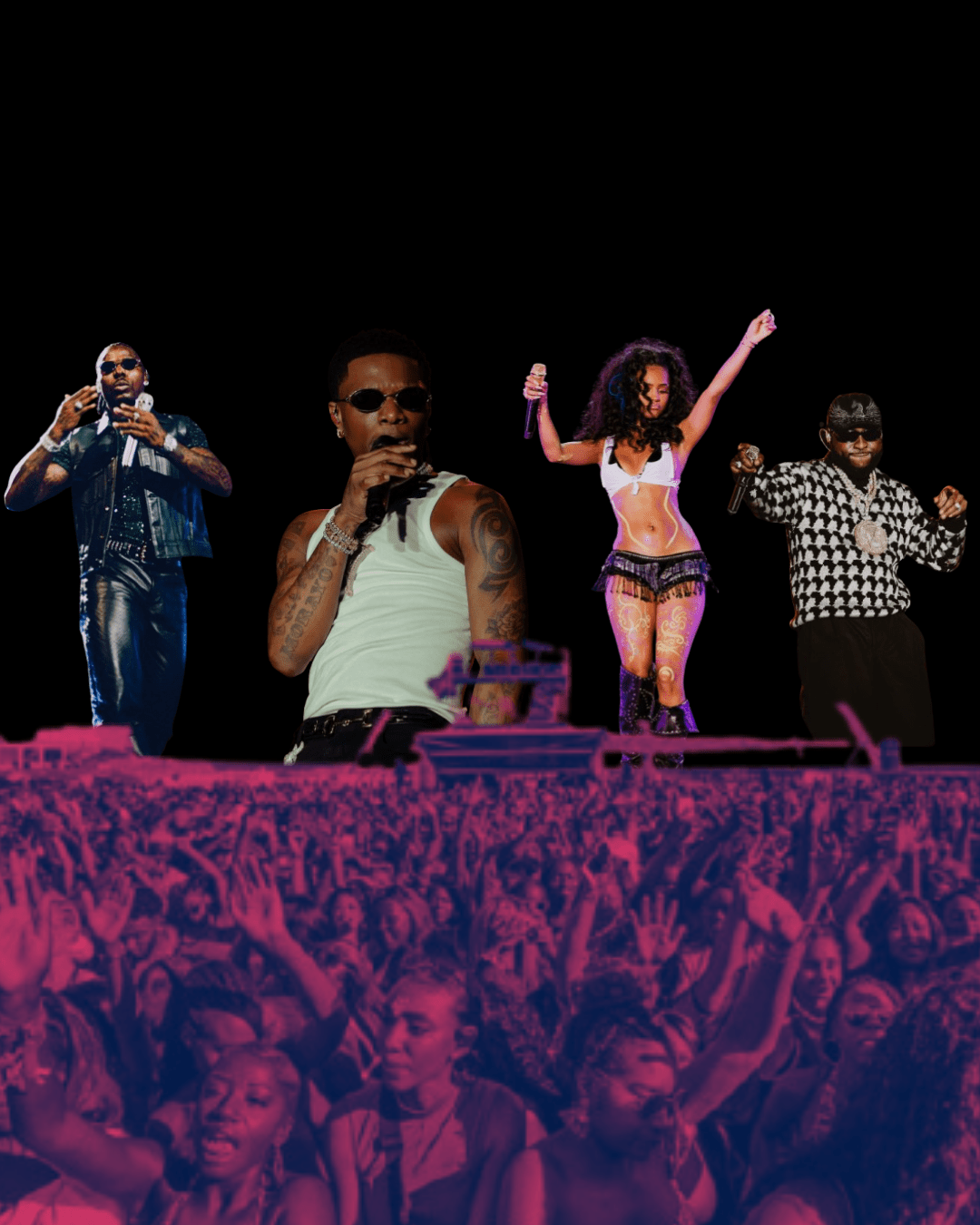
Most people consume music from the comfort of their own space. Fans build a connection with an artist’s music because they relate to its themes, or because they simply appreciate the craft behind it. When a music artist decides to perform live in a city near their fans, those fans buy tickets to see them. As a result of this, touring has become a staple of an artist’s career. Beyond the revenue it generates, having an artist perform a favourite song in person builds a bond that recorded music alone cannot replicate.
Consider the stark contrast in live music economics. Burna Boy’s I Told Them… tour made history as the highest-grossing concert tour by an African artist, generating over $30 million across 22 headline dates in North America and Europe. Yet, for a performer dubbed the “African Giant,” the tour did not include a single date on his home continent, Africa. Meanwhile, global icon Taylor Swift’s The Eras Tour grossed upwards of $2 billion, traversing the Americas, Asia, Australia, and Europe leaving out Africa.
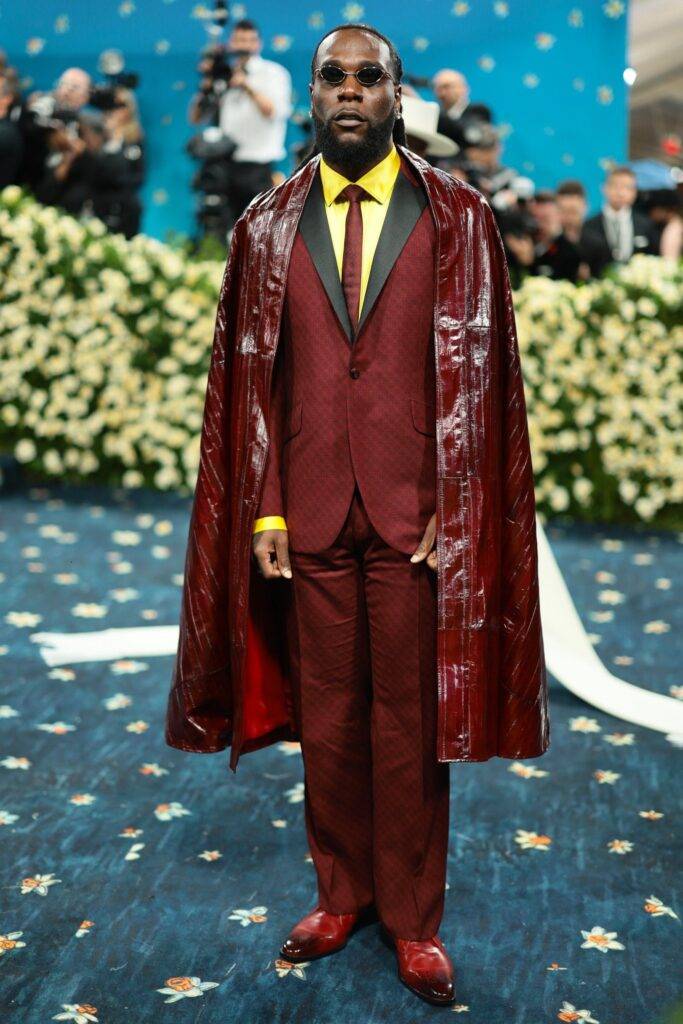
The gap between these figures is telling. Most African artists build their fan base on the continent first, but once they gain international acclaim, they turn to Europe and America to tour. This is not necessarily a bad thing, since Africans in the diaspora are fans too, and they deserve to see their favourites perform live. What is curious though, is the asymmetry: American and European artists rarely look to Africa as a market to “make it,” yet the reverse is common practice for African artists.
So the real question is what is stopping African artists from treating Africa as their primary touring ground. On paper, this should be an easy sell since Africa is the second-largest continent and the most populous, meaning there is no shortage of audience. Why then, isn’t touring here more common?
To answer this question, it helps to understand what it actually takes to put together a tour, and to consider the peculiarities of the African market. Putting up a tour requires booking venues across cities, coordinating logistics, and raising substantial sums of money to fund it. It also requires existing infrastructure, including regulatory frameworks, security, human capital, and institutions to make the process feasible.
In America and Europe, organisations such as Live Nation and Ticketmaster make tour promotion, venue operation, and ticket sales considerably easier. In Africa, however, such institutions largely do not exist. What has emerged instead is a patchwork of independent bodies operating in fragmented spaces, hired on an as-needed basis to put on individual events.
In conversation with Ewurama Dadson, in charge of Talents and Music at Culture Management Group, organisers of Afrofuture, she explained that, ‘‘the company sources the talent directly, pre-finances the show, secures the venue, obtains the necessary permits and regulatory approvals from local authorities, sells tickets through a partner e-ticketing platform, brings in external production companies to deliver the show, and works with third-party providers for logistics such as transportation, accommodation, and touring support. Audience data is then gathered through website subscriptions, ticket sales, and social media.’’

This makes touring considerably expensive for both artists and the fans, particularly since most artists in Africa operate independently, and fans across the continent frequently raise concerns about high ticket prices. Ticketing platforms also vary significantly by region: Ticketmaster and Quicket in South Africa, Guichet in Morocco, TeeW Tickets in Senegal, HustleSasa in East Africa, and TixAfrica in Ghana and Nigeria. Each platform tends to cover only a few of the functions required, shaped by the realities of its specific market.
Many artists across Africa have raised concerns about the lack of well-equipped, modern venues. Venues generally fall into a few categories based on capacity. At the smaller end, upcoming artists work with spaces capped at around 500 people, such as clubs, halls, restaurants, and other intimate spots, usually booked through personal relationships rather than a formal process. At the larger end are theatres, amphitheatres, parks, cultural centres, and stadiums.
Ghana, for instance, has stadiums spread across its regions, but the same cannot be said for theatres, a situation mirrored in many other African countries. This creates a real gap for artists who cannot fill smaller venues but are not yet able to sell out a stadium.
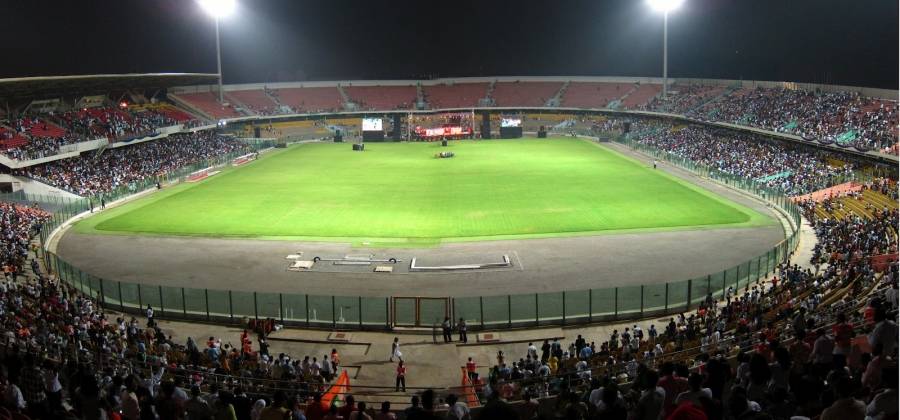
According to Ewurama, ‘‘for a new promoter trying to source a venue’s capacity, condition, and availability across different African countries, this becomes a genuine challenge, compounded by the absence of a single platform for tracking such information. This gap is partly bridged through direct conversations with venue managers and promoters, making relationships with key industry players essential to securing venues. Even once a venue is secured, its usable capacity, and therefore its potential ticket sales, is shaped by several additional factors, including stage layout, production requirements, health and safety restrictions, seating arrangements, green rooms, washrooms, and access points.’’
Again artists typically build their tour calendars around established venues and recurring festivals, often clustering around peak periods such as Detty December, New Year celebrations, Easter, and other major religious observances. However, no single system tracks these events across the continent, and because they are so widespread, planning a tour around them becomes both difficult and expensive, given the uncertainty surrounding exact dates.
Speaking on this, Ms. Dadson highlighted several country-specific windows worth planning around. She said that, ‘‘while December to January remains a strong entertainment and tourism period across the continent, South Africa also has a solid window from September to November, built around its spring and summer festival calendar. In Lagos, October to November aligns well with the city’s fashion, arts, and entertainment calendar. Ghana tends to lean on religious holidays, particularly those that draw the diaspora home. July to September is trickier, since more people travel out of the country during this period, though with the right promoter, almost any month can work.’’
Ms. Dadson proposed a way forward by advising, ‘‘mapping these recurring windows into a shared calendar that tracks festivals, cultural events, fashion weeks, sports fixtures, and other major moments across the continent. This would allow artists and promoters to build regional tours around existing demand, rather than generating a new audience from scratch in every market. The industry could also encourage festivals and promoters to coordinate their dates and booking cycles. If an artist is already booked in Ghana in October, for example, there is a real opportunity to route them through other West African markets around that date, and on to South Africa afterward.’’
An essential component of any tour is human capital, namely the technicians, booking agents, tour managers, catering vendors, security personnel, and band members whose collective effort brings every other factor together. Technical education is not widely promoted in Africa, leading to a common perception that the continent lacks a sufficient pool of skilled workers. Ms. Dadson, however, noted that skilled individuals do exist, and the real barrier is access to advanced tools and equipment, which remain scarce or altogether unavailable. Renting the necessary rigs and equipment is expensive, and because demand is relatively low, investors see little incentive to invest in this infrastructure. She added that even where a supplier does have the right equipment, it is often already booked during peak seasons, which drives up costs further. “We’ve reached a point,” she noted, “where tour directors and producers sometimes have to fly in equipment and technical crew from outside the continent because they can’t be sourced locally.”
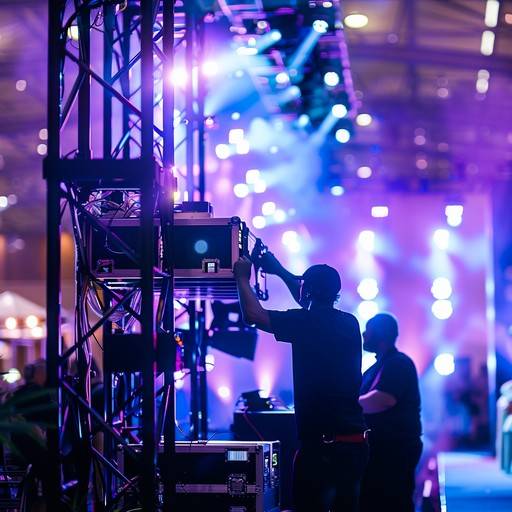
The common thread running through all of this is that touring across Africa is very much possible, provided each region and city is treated as a distinct market in its own right. This is not unique to Africa: the policies, infrastructure, costs, and talent pools that make touring easier in South America differ from those in North America. What continues to work in the West’s favour, however, is a stronger existing foundation for investors and event organisers to build on.
Ewurama in her final remarks said that, ‘‘a genuinely pan-African touring model would require stronger regional networks linking venues, ticketing platforms, production companies, and logistics providers, alongside greater certainty around government processes such as visas, work permits, equipment movement, and taxation, all while partnering with local bodies.’’
Every crucial component of touring currently faces a significant challenge in Africa. But the journey of a thousand miles begins with a single step. Davido’s 5ive tour made a point of stopping in various African countries, including several states within Nigeria, an example worth building on and encouraging further.
Most importantly, the right conversations must be had, and reforms must be made to support African talent on its own terms.
Because what becomes of our artists if Western systems no longer favour them, or if those institutions decide to alienate them altogether?
Written by: Melody Tuffour